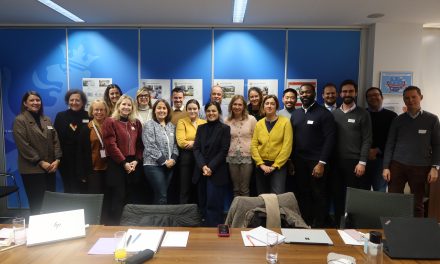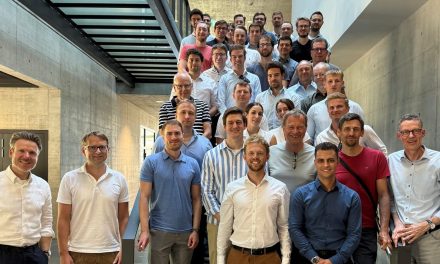

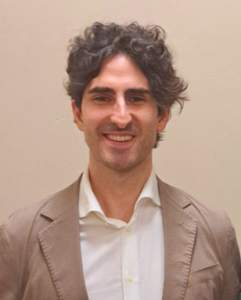
The research project “Towards a GenAI-Simulator Environment for Software Developers” led by Prof. Dr. Hans-Georg Fill from the Department of Informatics has been approved for funding by the Human-IST Institute & Swiss Post (HIP) Initiative . The project will run for eight months in the context of the Smart Living Lab and includes a postdoctoral position for Dr. Jesús Muñoz Cádiz.

This project aims to analyze and develop a generative artificial intelligence (GenAI) simulator for software engineering and programming. The “deskilling” phenomenon, whereby traditional skills are lost due to overreliance on GenAI tools, is a key motivating factor in this research. The project has resulted from a workshop on “Deskilling through AI in Software Development” that was held in collaboration between Swiss Post and the Department of Informatics of the University of Fribourg. The project will examine the implications for industry and academic communities, both of which have faced challenges due to this phenomenon. While GenAI has transformed how we work with code, excessive cognitive offloading and underdevelopment of necessary analytical skills can lead to the loss or prevention of building advanced software development skills. This may pose a particular problem for companies whose junior developers need to advance their skills. For this reason, the project aims to create a simulator environment that can help developers expand on their critical thinking and problem-solving capabilities. This initiative will also contribute to a deeper understanding of how GenAI affects software development workflows.
The team formed by the collaboration with Swiss Post and the University of Fribourg, will design and implement a GenAI-simulator environment that can intercept and modify the communication between software developers and GenAI. This approach includes the introduction of guardrails, such as pre-defined coding patterns, defined requirements, and checks. These AI guardrails aim to encourage the development of human analytical skills.
In addition to the definition of future research lines in academia and potential follow-up projects on a larger scale, the output of this project is considered highly valuable for designing the future software development education at the University of Fribourg, which is also strongly impacted by generative AI tools.